
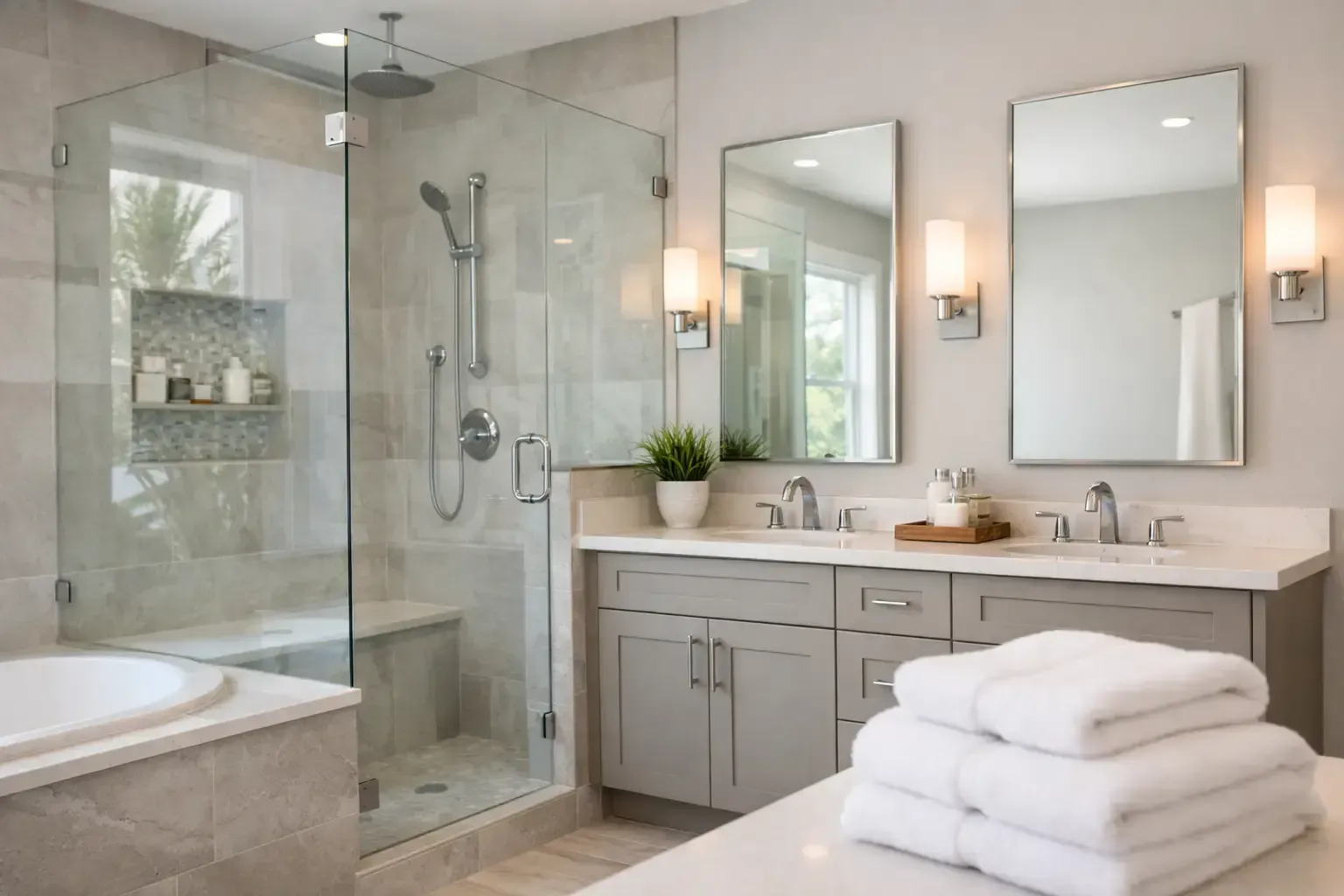
A dated bathroom often shows its age in small, daily frustrations: a vanity with no usable storage, a tub that rarely gets used, dim lighting at the mirror, or grout that never quite looks clean. For a bathroom remodel Oviedo homeowners can feel good about for years, the best starting point is not a tile sample. It is an honest conversation about how the room needs to work for your household now. Many homes throughout Oviedo and East Orlando were built in the late 1990s and early 2000s. Their bathrooms may have solid square footage but layouts and finishes that no longer fit family routines. A well-planned renovation can make the morning rush easier, improve safety, reduce maintenance, and give the home a more finished feel without sacrificing the practical details that matter every day. Start Your Bathroom Remodel in Oviedo With Daily Life Before choosing a style, identify what is not working. A primary bathroom used by two adults has different needs than a hall bath shared by children or a guest bathroom that needs to be easy for visitors to use. The right plan depends on who uses the room and when they use it. A growing family may benefit from a double vanity, durable floor tile, and drawers that make everyday items easier for kids to reach. Homeowners planning to stay in their home long term may prefer a curbless or low-threshold shower, a built-in bench, and grab-bars. Those improvements can look polished now while supporting comfort later. Decide What Deserves the Square Footage Not every bathroom needs a larger footprint. Often, a better use of the existing space makes the biggest difference. Replacing an oversized soaking tub that goes unused can create room for a larger walk-in shower. A recessed medicine cabinet can add storage without making a smaller room feel crowded . Moving plumbing can be worthwhile, but it affects cost and schedule. Keeping the toilet, shower drain, and vanity plumbing in their existing general locations is usually more budget-friendly. If the current layout fundamentally fails your household, however, changing it may be the investment that makes the entire project feel worthwhile. A good contractor should explain that trade-off clearly rather than treating every project the same. Choose Materials That Handle Central Florida Humidity Oviedo bathrooms need finishes that can stand up to warm, humid conditions and active family use. A beautiful material is only a good choice if it performs well in the space where it will live. That means looking beyond color and considering water resistance, cleaning needs, slip resistance, and long-term durability. Porcelain tile is a popular choice for bathroom floors and shower walls because it is durable, water-resistant, and available in a wide range of looks. Larger-format tiles can create a cleaner, more open appearance with fewer grout lines, though they require careful installation on properly prepared surfaces. Smaller tiles can provide helpful traction on shower floors, especially when paired with a quality grout and proper slope toward the drain. For cabinetry, look for construction and finishes designed for moisture exposure. A bathroom vanity has to tolerate wet hands, splashes, and Florida humidity without swelling or peeling. Countertop choices should also match the way your family uses the room. Quartz offers a consistent, low-maintenance surface, while natural stone can bring character but may need more ongoing care. Ventilation is just as important as visible finishes. An appropriately sized exhaust fan, vented correctly to the exterior, helps manage moisture that can damage paint, cabinetry, drywall, and grout over time. If a bathroom has no window or has recurring mildew issues, improving ventilation should be part of the renovation plan, not an afterthought. Design Lighting for Real Mornings and Evenings One ceiling fixture rarely provides enough light for shaving, makeup, skincare, and nighttime trips to the bathroom. The most comfortable bathrooms use layered lighting: general overhead light, direct lighting at the vanity, and optional accent or shower lighting where it adds function. Vanity lighting placed on both sides of a mirror or in a well-designed fixture above it can reduce the shadows that make grooming difficult. Dimmers give homeowners flexibility, allowing bright light for busy mornings and a softer setting later in the evening. In a children’s bathroom, a low-level night light can be a small feature with a big practical payoff. Electrical updates may also be needed when adding outlets, relocating fixtures, or installing features such as a lighted mirror, exhaust fan, or heated towel bar. These details are easier and safer to handle while walls are open than after the new finishes are complete. Set a Budget That Reflects the Scope Bathroom remodeling budgets vary because the scope varies. A cosmetic refresh with a new vanity, flooring, fixtures, paint, and lighting is different from a full renovation that includes demolition, waterproofing, plumbing changes, new tile, custom cabinetry, and a reconfigured shower. The clearest way to plan is to separate must-haves from nice-to-haves. Address water damage, outdated plumbing concerns, poor ventilation, and unsafe flooring first. Then decide which design features will improve daily use most, whether that is a larger shower, more storage, upgraded tile, or a better vanity configuration. It is also wise to reserve room for conditions that cannot be fully seen until demolition begins. Older leaks, damaged subfloors, improper prior work, and hidden moisture can change the scope. A transparent estimate should identify what is included, what may be an allowance, and how changes will be handled if the project uncovers an issue. Plan for Permits, HOA Details, and Coordinated Work A bathroom renovation can involve multiple trades: demolition, framing, plumbing, electrical, drywall, tile, cabinetry, countertops, painting, and final fixture installation. Coordinating those steps matters because each one affects the next. Tile should not begin until shower waterproofing is complete and inspected as required. Countertops should be measured after cabinets are installed. Fixtures need to fit the final layout, not an early sketch. Permit requirements depend on the work being performed. Plumbing relocations, electrical changes, structural work, and certain ventilation updates may require permits and inspections. Homeowners in communities with an HOA may also need to follow rules for contractor access, work hours, parking, debris removal, or project approvals. These are manageable details when they are addressed before work starts, but they can create avoidable delays when ignored. A local remodeling team familiar with Oviedo-area homes can help make the process less stressful by setting expectations early, handling required permits, and keeping communication clear as each phase moves forward. Visual planning tools, including 3D renderings, can also help homeowners see how finishes, fixtures, and storage will work together before final selections are made. Choose a Contractor Who Explains the Process The lowest quote is not always the lowest-cost project. A vague estimate can leave room for exclusions, rushed preparation, or surprise add-ons later. When comparing contractors, ask how they handle waterproofing, permits, change orders, material ordering, cleanup, scheduling, and warranty coverage. Pay attention to how promptly and directly they answer those questions. You should also feel comfortable discussing your budget and concerns without pressure. A reliable contractor will explain where it makes sense to invest, where you can simplify, and what choices may create maintenance issues later. For homeowners who want one accountable team to coordinate design, materials, permits, and installation, CanterStone USA brings a family-owned approach along with complimentary estimates, 3D planning support, financing options , and a one-year labor warranty. The right bathroom should not only photograph well on installation day. It should give you a calmer place to start the morning, a safer space for family members and guests, and finishes you are still happy to live with after the newness wears off. Begin with the way your household lives, make decisions with Florida conditions in mind, and give careful planning the same attention you give the final tile selection.
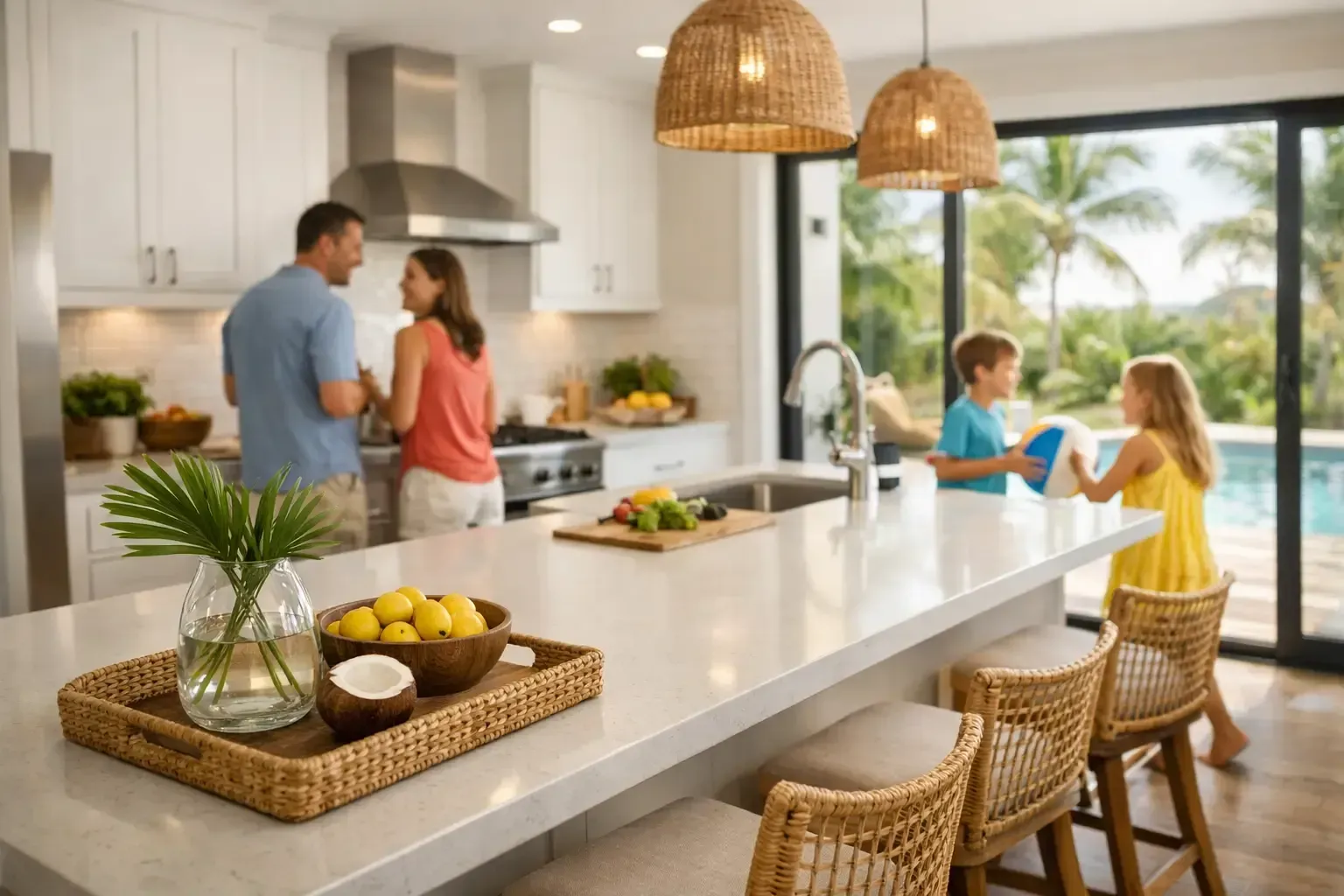
Kitchen remodeling in Central Florida works best when smart design, durable materials, clear budgets, and local project management come together well.
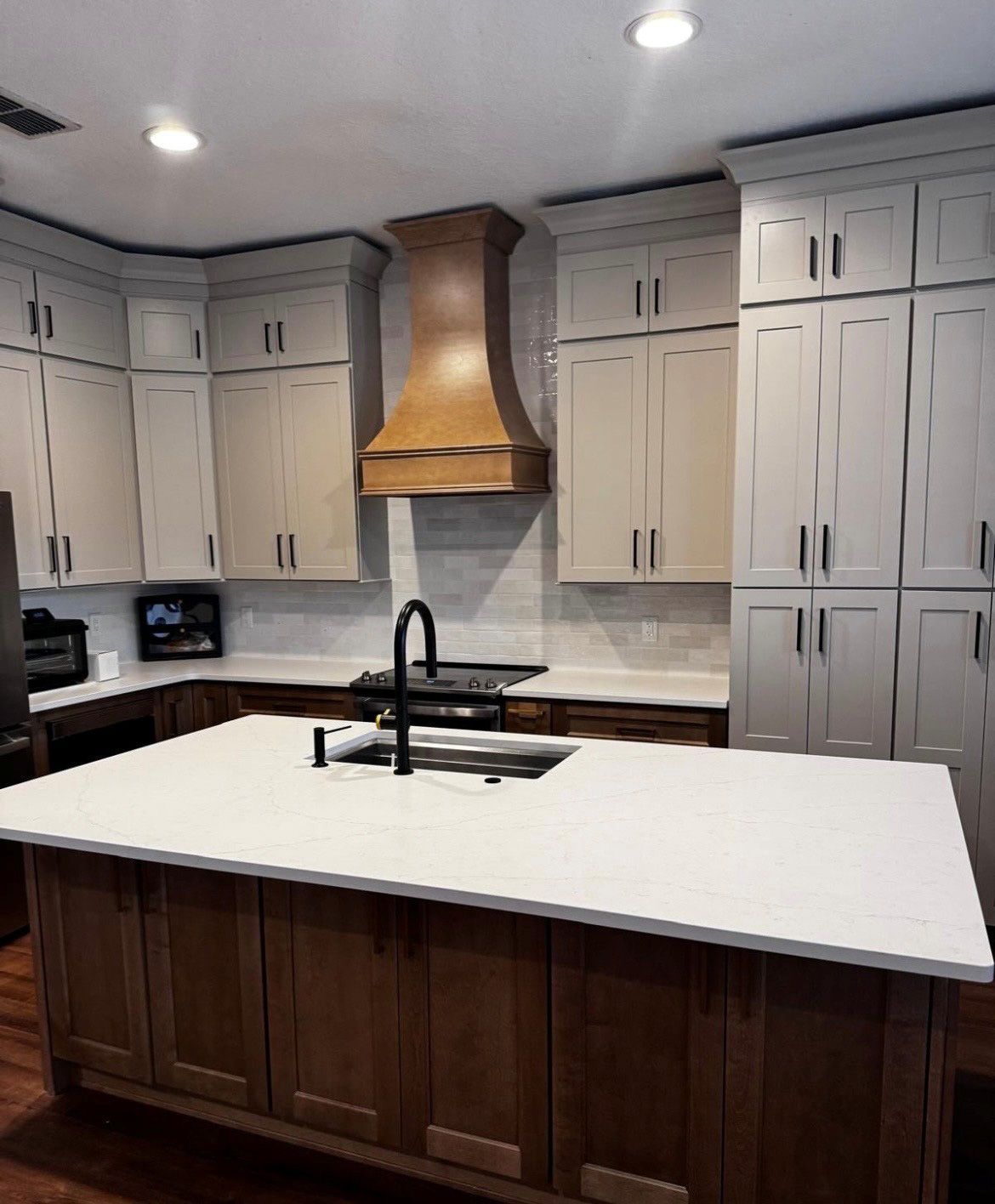
Why Local Experience Matters in These Neighborhoods Avalon Park and Stoneybrook East aren't cookie‑cutter communities. They each have their own style, HOA guidelines, and construction patterns. Working with a company that already knows the area saves homeowners a lot of headaches. We understand: Which materials hold up best in East Orlando's humidity What designs fit the neighborhood aesthetic How to work efficiently in homes built in the early 2000s The layouts that are easiest to open up — and the ones that require creativity The outdoor features that add the most value in this part of town It's the kind of knowledge you only get from working in the same neighborhoods again and again — and from living here, too. A Family‑Owned Approach That Feels Different One thing people tell us often is that working with a family‑owned company just feels different. There's no corporate script. No disappearing act after the deposit. No "we'll get to it when we get to it." Instead, you get: Real conversations Real timelines Real accountability Real pride in the work Because when your name is on the business, every project matters. Neighbors Helping Neighbors Build Homes They Love At the end of the day, Avalon Park and Stoneybrook East are communities built on connection. People walk their dogs, chat with neighbors, and spend weekends at local events. Homes aren't just structures — they're the backdrop to everyday life. And when you choose a local, family‑owned company to help improve your home, you're not just hiring a contractor. You're supporting your community. You're choosing people who care about the same things you do: quality, honesty, and making this area an even better place to live. If you're thinking about updating your kitchen, refreshing your bathroom, or finally turning that backyard into something amazing, we're right here in the neighborhood — ready to help when you're ready.